
KBIS 2026: Whole Home Design, Wellness, and the Future of Living in Place

Each year, KBIS offers a glimpse into where our industry is heading. This year, one overarching theme stood out: what NKBA is now calling “whole home design.”
This shift reflects an evolution in how we think about kitchen and bath design. No longer siloed as specialty rooms, these spaces are becoming integral to the look, function, and experience of the entire home. As open plan living continues to elevate the kitchen into the “hub of the home,” the role of the designer expands with it.
The kitchen today is not simply where meals are prepared. It is a workspace, a gathering space, a homework station, and often the emotional center of daily life. Designing it in isolation no longer makes sense.
The Kitchen as Architecture
Several manufacturers leaned into the idea of integration and architectural cohesion.
At Monogram, appliances were hidden in plain sight behind burl wood panels, finished with classical details like built-up crown cornices that give them a furniture-like presence. At SKS, a prototype induction cooktop fully integrated into a porcelain countertop made the technology nearly disappear.
Rather than competing with the space, appliances are increasingly blending into it. This reinforces the broader concept of whole home design — where materials, proportions, and detailing move seamlessly from kitchen to living spaces without disruption.
Another noteworthy stop was Galley, the original workstation system. American-made and crafted from a single solid piece, it comes complete with integrated accessories that transform the sink into a fully functioning preparation and serving station. It’s a thoughtful reminder that great kitchen design is not just about aesthetics, but about creating highly functional, adaptable spaces that support the way we truly live.
Wellness in the Bath
Wellness design continues to evolve in meaningful ways, particularly in the bathroom.
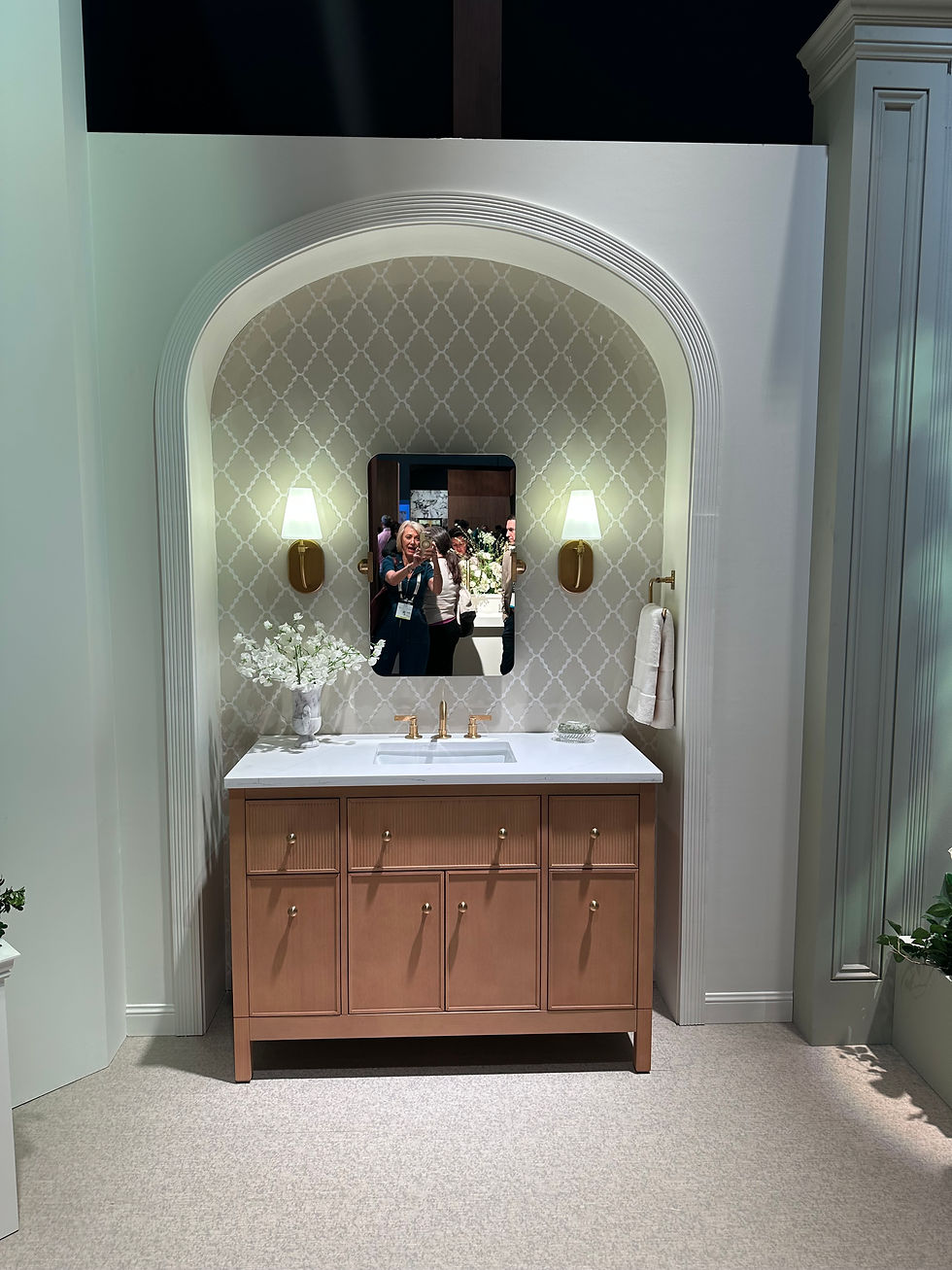
Kohler showcased advancements that position the bath as a true spa-like retreat. From refined materials that evoke serenity to innovations in toileting systems and their Kohler Health features — which monitor hydration, gut health, and other wellness indicators — the bathroom is becoming a private wellness hub.
New bidet technologies and enhanced functionality reinforce a growing reality: the home is where health begins.
Living in Place: Elevated Universal Design
Accessibility and living-in-place design were also prominent themes — now often referred to as “elevated universal design wellness-centered spaces.”
One of the highlights for me was at Richelieu Hardware. Their award-winning lifting kitchen countertops and adjustable upper cabinet systems, developed with Granberg, allow work surfaces to raise and lower to accommodate wheelchair heights. This type of innovation supports continued independence, dignity, and autonomy within the home.
Living in place is no longer a niche category. It is becoming central to responsible residential design.
AI and Intelligent Integration
Another noticeable shift was the integration of AI into residential environments.
From lighting systems that follow circadian rhythms to appliances that monitor food freshness and provide intelligent cooking guidance, technology is being applied in ways that support mood, mental clarity, and overall wellbeing.
When thoughtfully integrated, these tools enhance daily life without overwhelming it.
Lighting as Infrastructure
Lighting innovation was another standout, particularly at Häfele. Their advancements in integrated cabinet and drawer lighting elevate interior functionality while maintaining a refined architectural look. The newest closet systems demonstrated how thoughtful illumination enhances both usability and aesthetics — reinforcing that great design extends beyond visible surfaces and into the details that shape daily experience.
Designing for the Way We Live Now
While innovation was everywhere, one principle remains unchanged.
Beautiful design will always be at the core of what we bring to our clients. But equally important is creating spaces that are not only beautiful, but safe, accessible, and functional.
Whole home design reflects a deeper understanding of how we live today. It acknowledges that kitchens and baths are not isolated rooms, but central components of a connected, supportive environment.
As our homes continue to evolve, so does our responsibility as designers — to create spaces that honor longevity, wellness, and the dignity of everyday living.


Comments